
More details
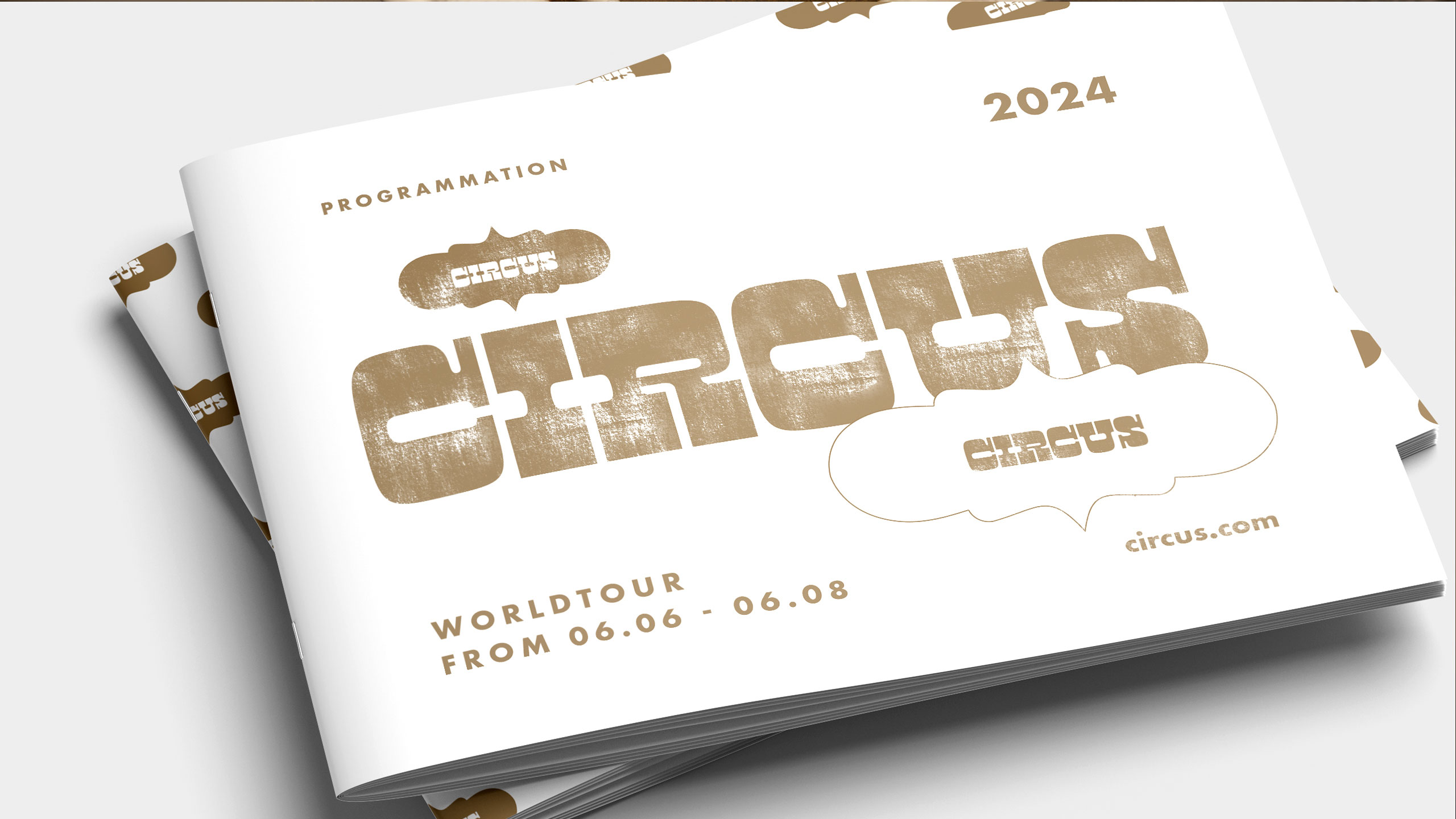
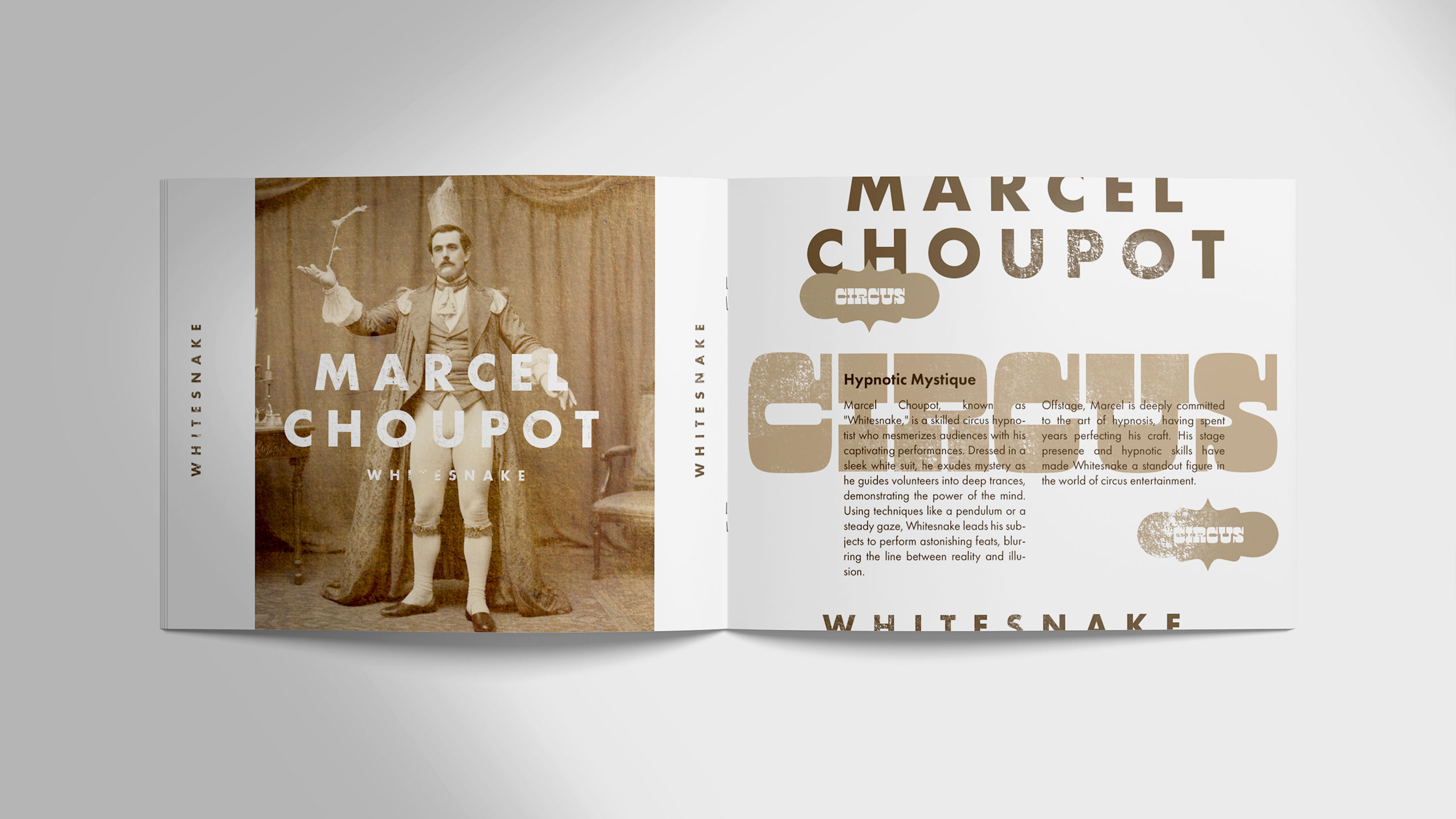
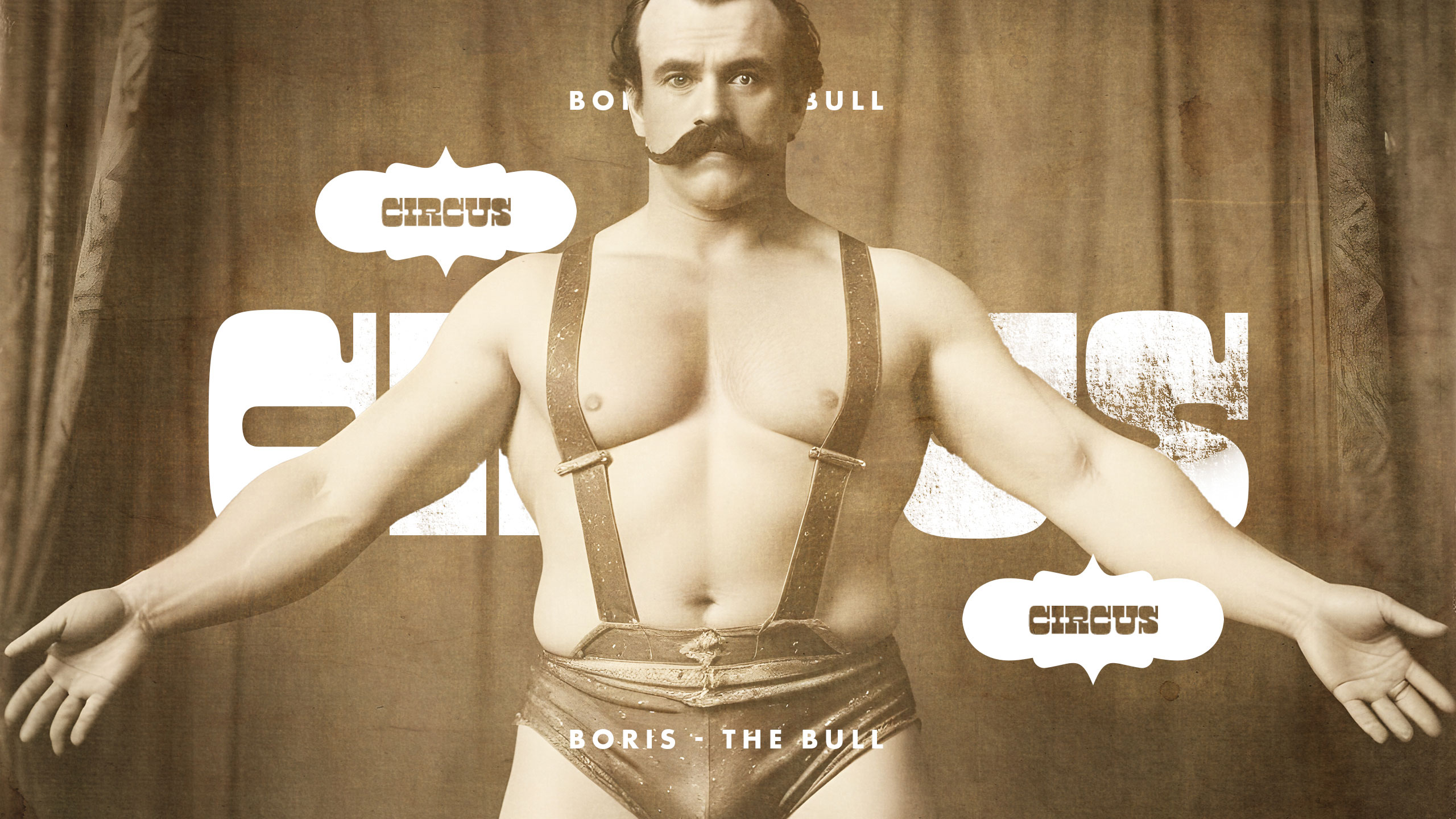
How can graphic design revive historical spectacle without falling into nostalgia? Circus reimagines 19th-century show aesthetics through sepia tones and stark layouts, creating a timeless visual mythology of performance.
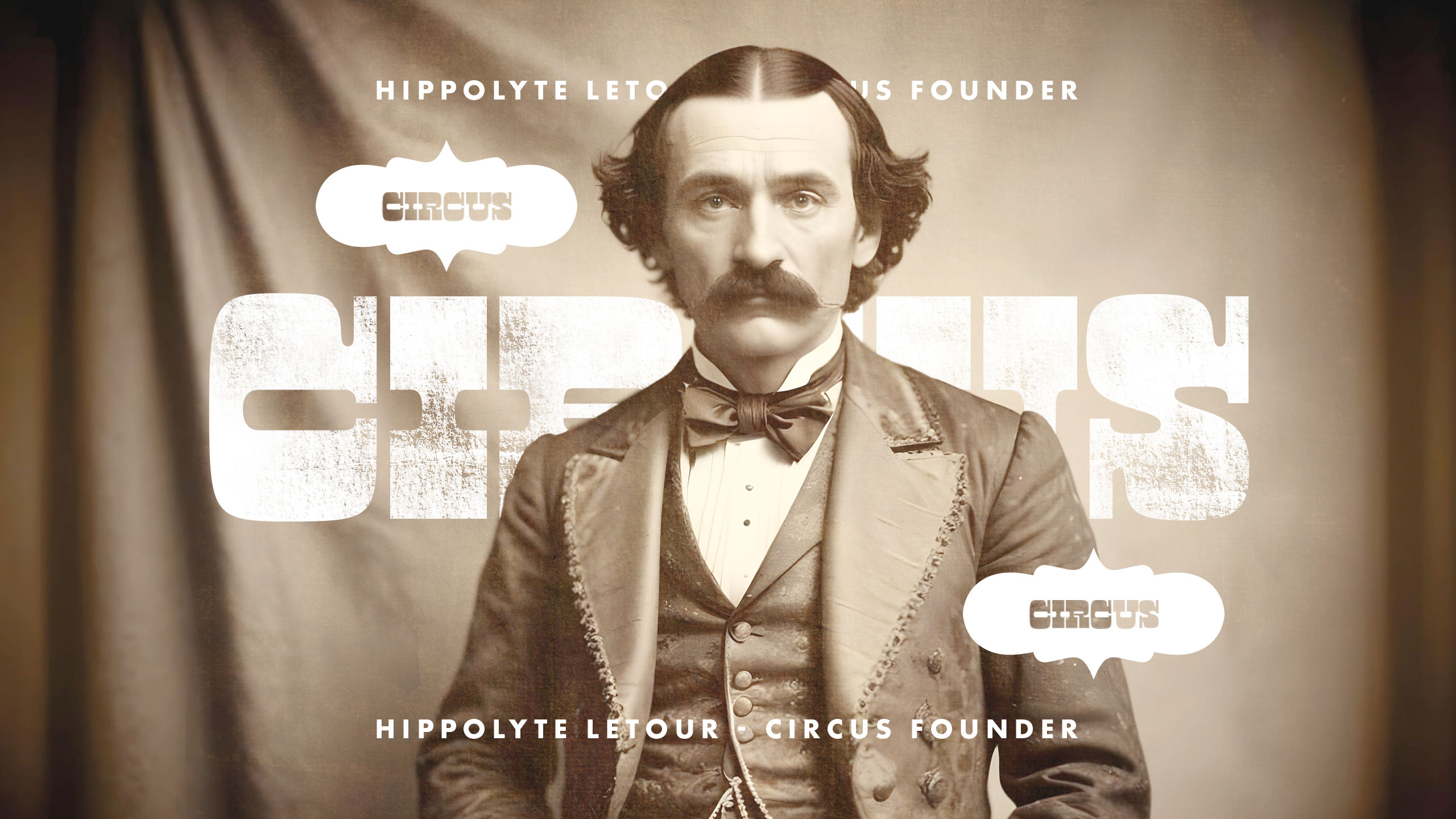
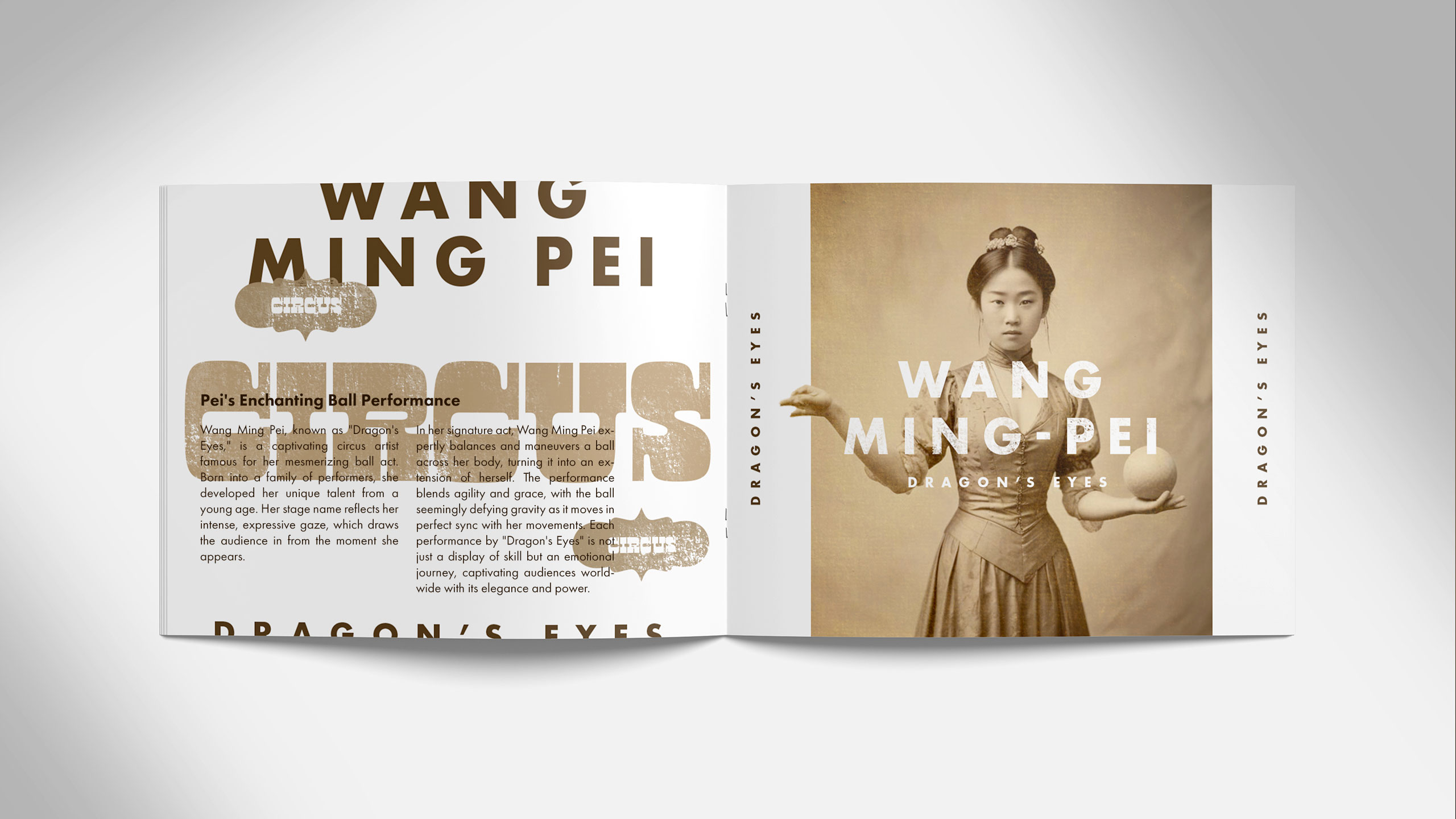
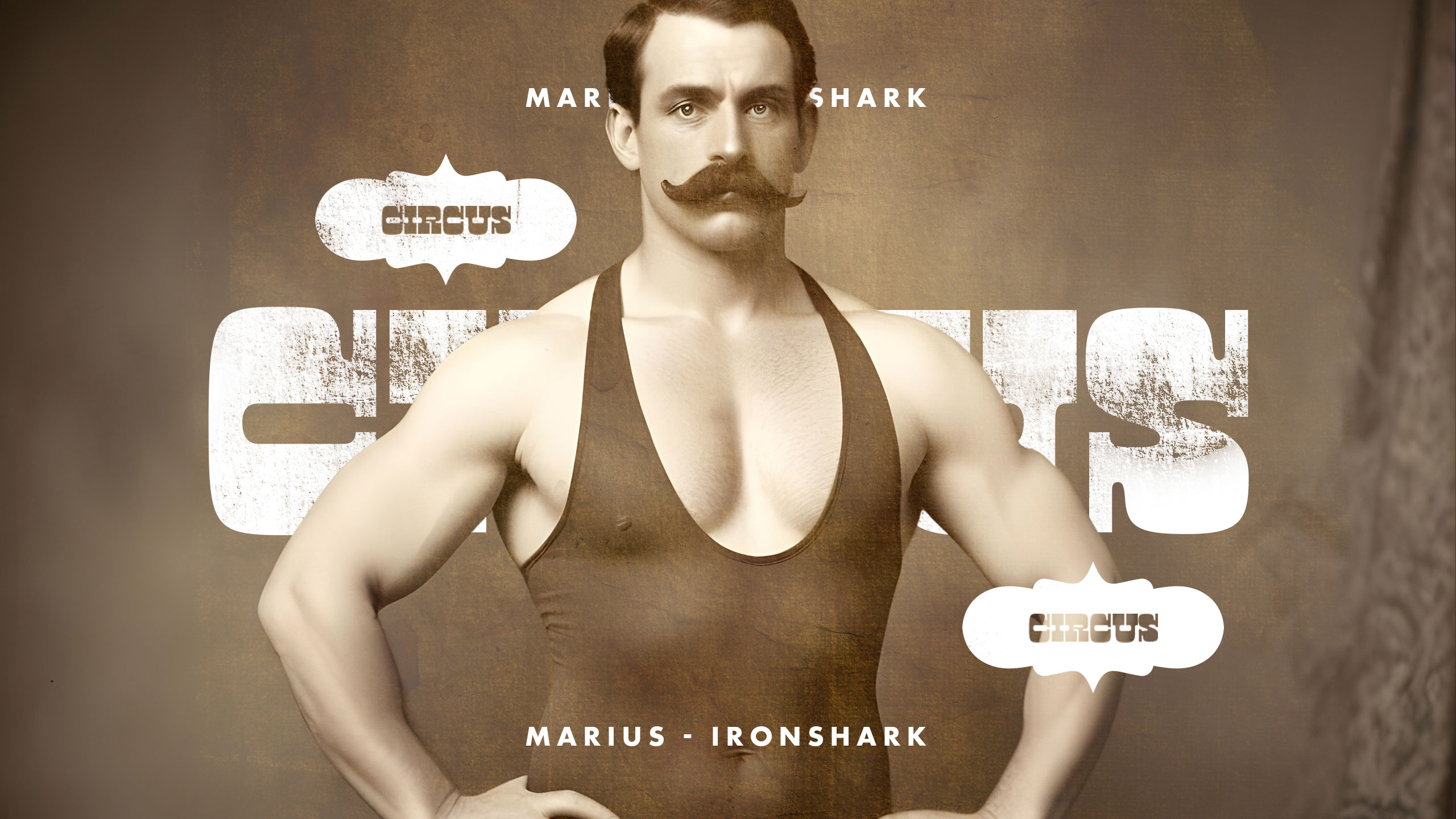
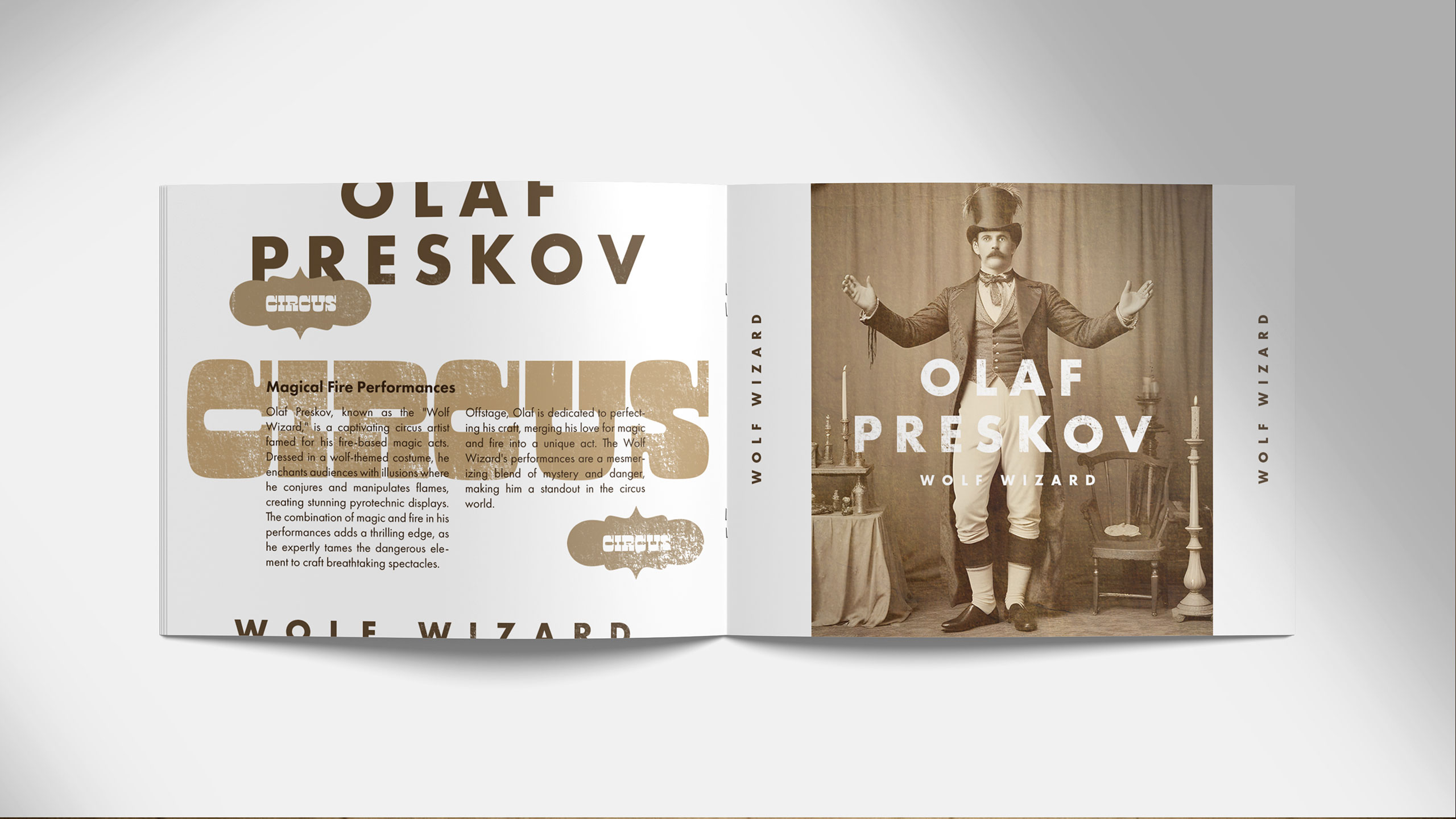
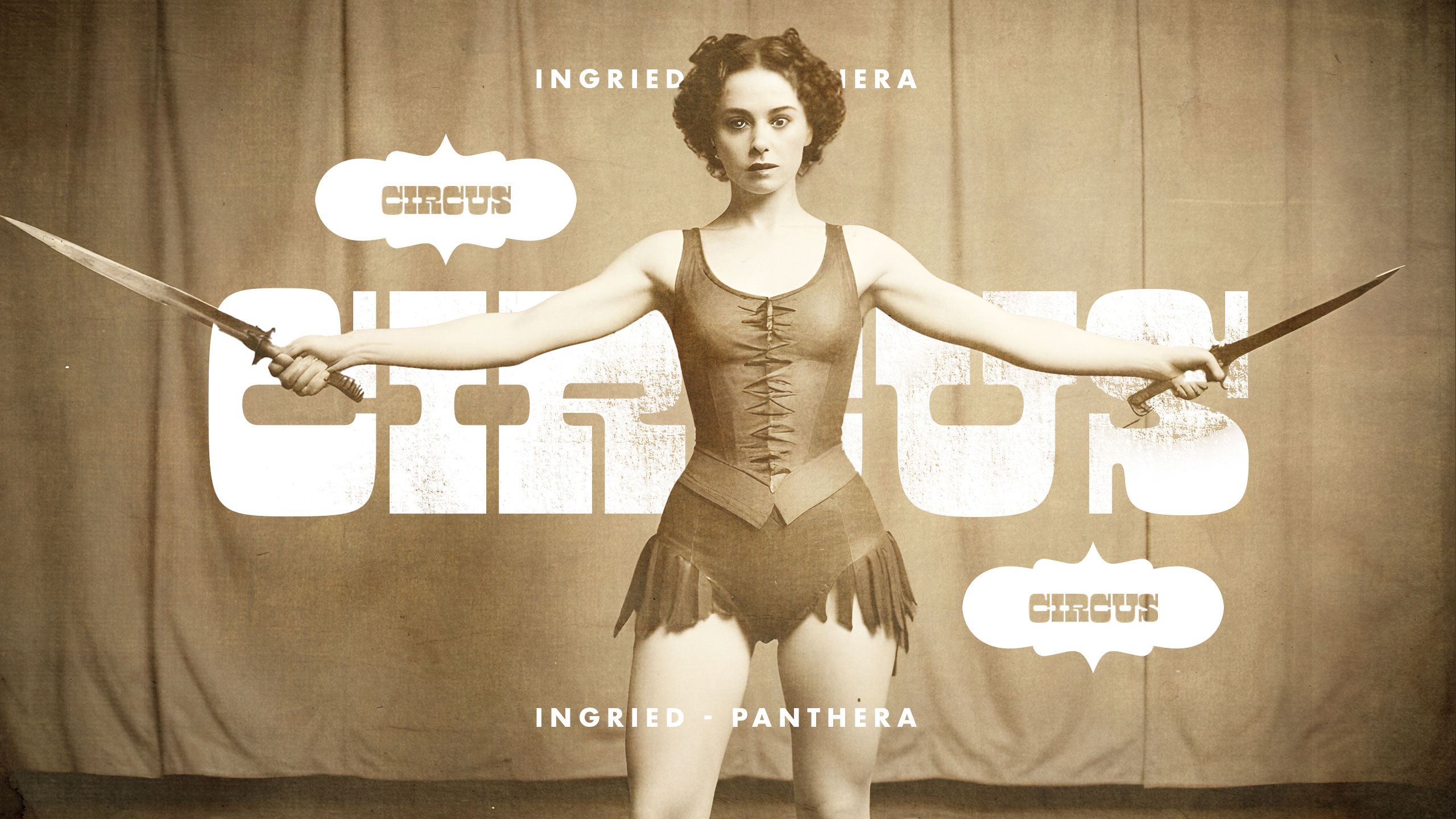
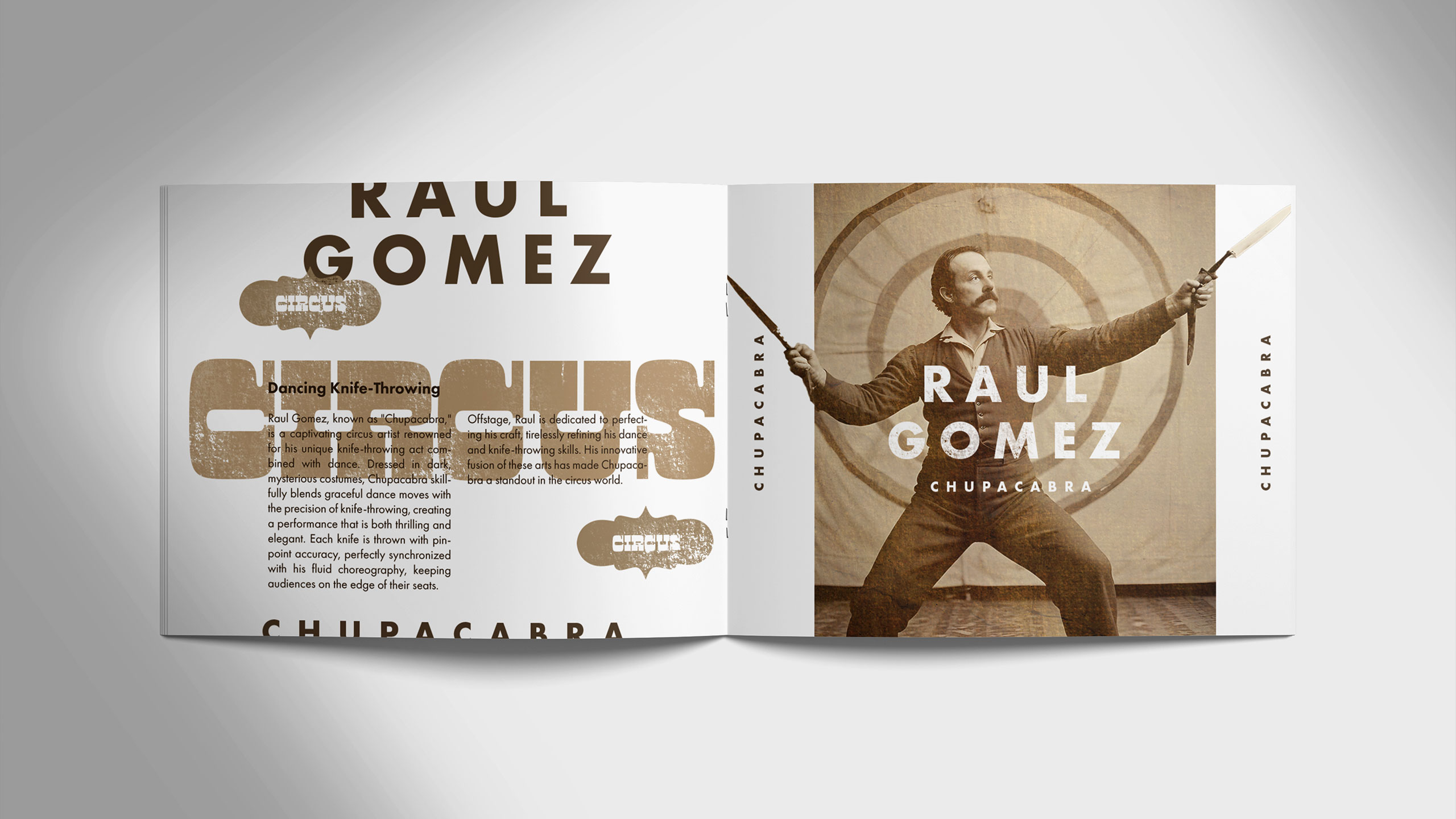
Evoking the charm of old-world spectacle, the visual identity of Circus draws from the vintage aesthetic of 19th- and early 20th-century sideshows. Each spread in the performance program is dedicated to a single artist, capturing their act in sepia-toned photography and stark black-and-white layouts. The style recalls the mysterious allure of historical “freak shows” and surreal, superhuman feats—half real, half myth. The result is a poetic narrative that transforms the program into a collector’s object. This imagined past infuses the modern traveling circus with timeless wonder, inviting audiences into a world where fantasy and performance become inseparable.
Inkonito
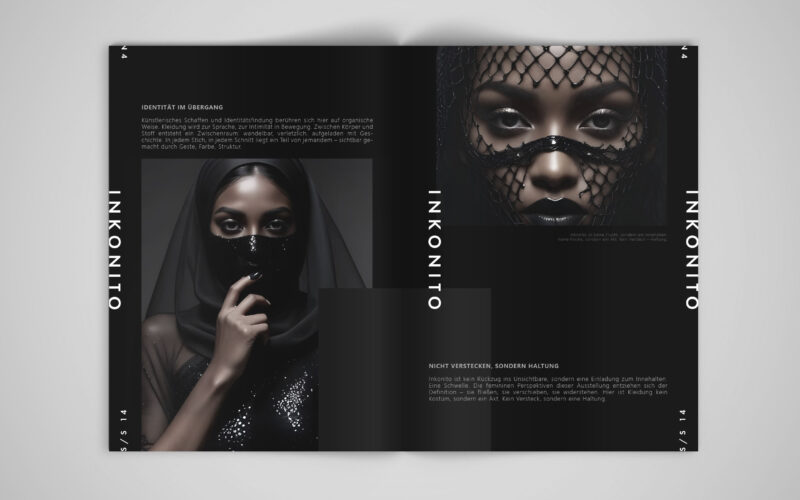
How can visual design affirm a modest, deliberate identity — using fashion and the metaphor of the mask not to hide, but to reveal the self with elegance, distance, and quiet power?INKONITO is a conceptual brochure exploring identity...
X-Ray
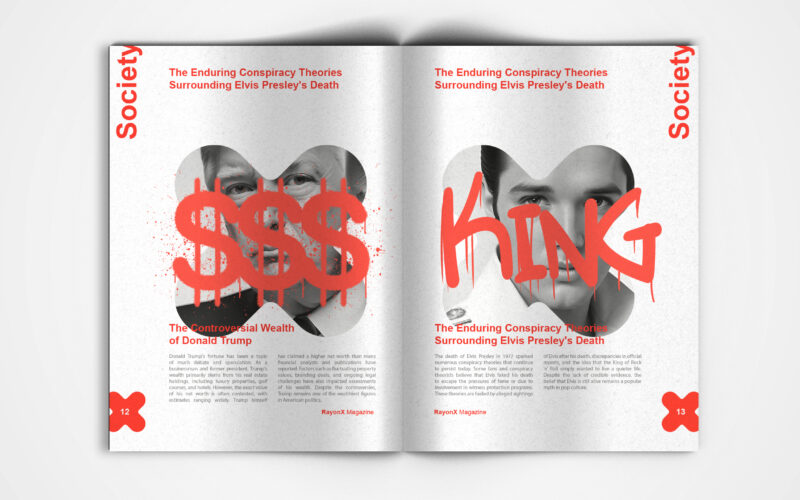
X-Ray magazine uses bold design and the X motif to decode society's layers. But can visual aesthetics alone effectively unveil the hidden complexities shaping modern culture and public discourse? This is a visually striking society...
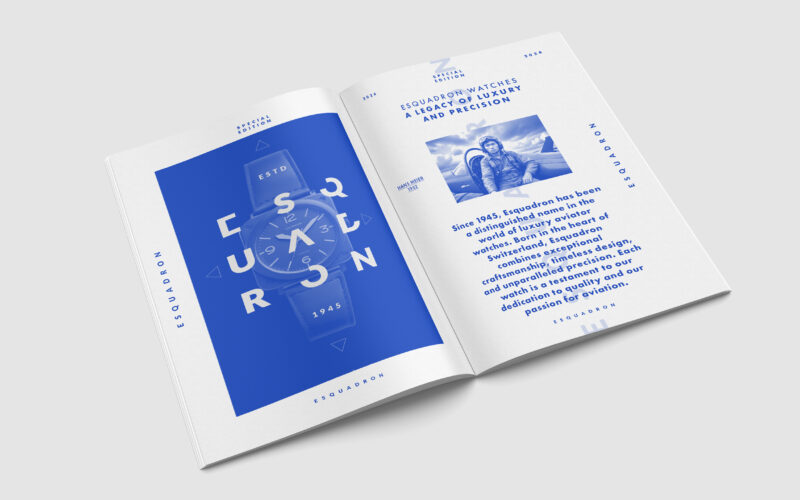
Escadron
How can editorial design elevate a luxury watch brand’s aviation heritage? Esquadron translates precision, adventure, and identity into visuals that echo cockpit geometry and evoke sky-bound elegance and technical mastery. Esquadron is a...
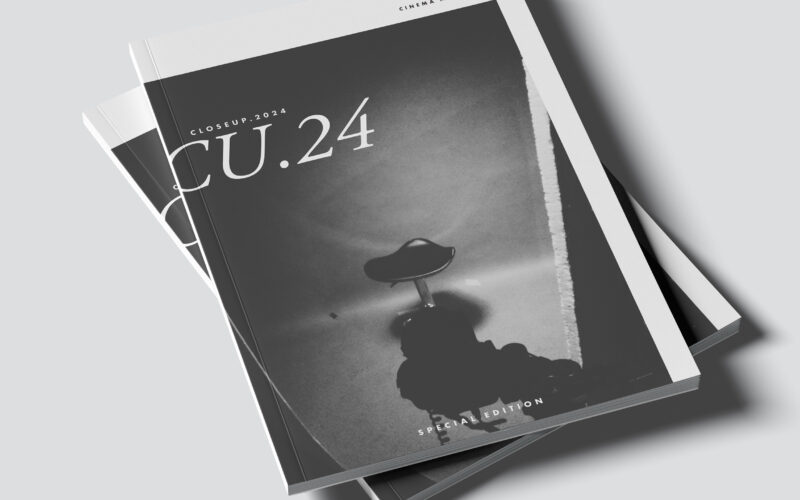
Close Up
CU.24 plays with contrast, framing, and cinematic rhythm. The challenge: how can graphic design capture the depth of film language—light, shadow, and emotion—through purely static composition? The CU.24 brochure embodies cinematic...